Bayonet Sapphire: Price, Float & Trading Guide for CS2 Knife Skin
The Bayonet Sapphire is the crowning jewel of the Doppler family for many CS2 players. Its deep blue blade instantly signals rarity and taste, making it a status symbol in any inventory. But pricing can feel opaque—values shift with float, pattern, and market hype. Whether you're buying your first high-tier knife or cashing out an unboxed gem, understanding the numbers behind the Bayonet Sapphire is crucial. This guide breaks down current prices, float tiers, pattern indexing, and the safest ways to trade the skin in 2026.
What Is a Bayonet Sapphire?
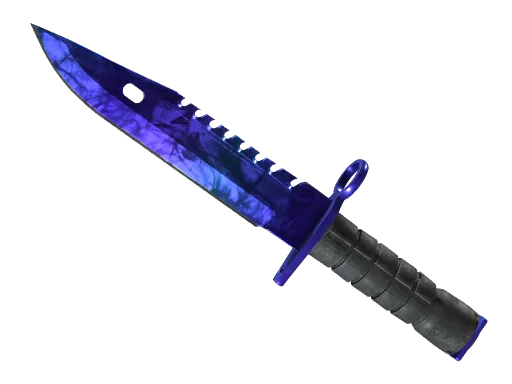
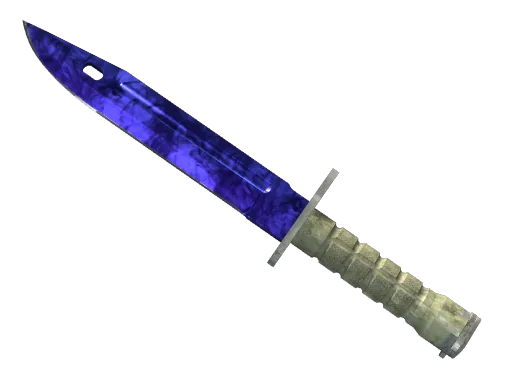
The Bayonet Sapphire belongs to the Doppler finish, specifically the Phase 3-4-5-6 system. Phase 3 is the iconic sapphire blue version, alongside Ruby (red) and Black Pearl (dark multicolor). All three sit at the top of the Doppler hierarchy. Sapphire knives have an 85%+ blue blade with minimal purple or black on the playside, though backside can vary. The Bayonet model adds a flip-out animation that many traders prefer over the M9 Bayonet.
Doppler knives drop only from cases that include them, such as the Spectrum Case, Gamma Case, and Dreams & Nightmares Case. The unlock rate for a Sapphire pattern is extremely low—once you pull a Doppler, the phase probability is roughly 1/10 for Sapphire, but the overall chance from a case is astronomically small. That scarcity drives steady demand.
Factory New vs. Minimal Wear
Bayonet Sapphires exist in Factory New (0.00–0.07 float) and Minimal Wear (0.07–0.15). The wear difference is not just a number—it changes the skin's appearance and market tier. A Factory New with 0.01 float can look flawless under game light, while a Minimal Wear with 0.14 float might show subtle scratches near the blade tip. These visual imperfections directly hit the price, often by 15–25% compared to a clean FN.
Bayonet Sapphire Price in 2026
Tracking the Bayonet Sapphire price requires watching actual transaction data. As of February 2026, the following baseline numbers reflect activity on the largest skin index, Buff163:
- Factory New (float 0.03): approximately $3,500
- Factory New (float 0.01): $4,200–$4,600
- Minimal Wear (float 0.07): $2,800–$3,100
- Minimal Wear (high float 0.12+): $2,400–$2,600
These prices are in USDT equivalents and can swing 5–10% week to week depending on market sentiment and CS2 major updates. The Bayonet Sapphire tends to follow a slow appreciation curve, especially for very low float FN examples, because supply is tightly held by collectors.
How Pattern Affects Value
Not all Sapphires are created equal. Even within Phase 3, pattern index decides how much blue covers the blade. A pattern with 95% clean blue on playside (often index 500–600 range) can command a premium of $300–$500 over a cloudy one with purple patches. Backside matters less, but a fully blue backside (so-called "max blue") adds another layer of rarity.
When you check a listing, always inspect the pattern ID and compare with known Blue Gem guides. Some traders use third-party tools to grade the playside blue percentage. If you're looking to buy or sell, platforms that mirror Buff163 prices—like CSBoard—give you a real-time anchor without having to navigate Chinese-language interfaces.
Trading a Bayonet Sapphire Without Overpaying
The biggest risk when dealing with a knife this expensive is hidden fees or unsafe middlemen. Traditional bot-trading sites often charge a hidden spread of 5–12%, eating hundreds of dollars on a single flip. P2P trades, handled correctly, trim away those costs.
P2P vs. Bot Sites
A Bayonet Sapphire traded peer-to-peer at market price incurs no commission if the platform itself doesn't take a cut. You simply agree on a price, send a Steam trade offer, and receive payment—whether crypto, PayPal, or bank transfer—directly from the other person. Bot-based sites like SkinBaron or DMarket charge fees on both buyer and seller, which can sum to 6–10%. Over a $3,500 skin, that's up to $350 lost.
CSBoard connects traders for direct USDT settlements via TRC20, BEP20, Solana, and TON, with instant payouts and zero trading fees. The price data displayed on the platform syncs with Buff163, so you always know the fair market value before you buy or list. For a Bayonet Sapphire, that means if you see a 0.03 FN listed at $3,500 on Buff, you can find a seller at roughly that level and pay exactly that, keeping every dollar within the trade.
Float and Pattern Verification
Always use the in-game inspect or a site that shows high-resolution screenshots. Confirm the float value and pattern index before finalizing any trade. A 0.069 float can be listed as Factory New but wear like MW; a 0.071 might be called Minimal Wear but look nearly FN. If you're unsure, ask the seller for additional game screenshots or a video. The extra five minutes can save you from a $500 mispricing.
Investment Outlook for Bayonet Sapphire
Over the last three years, the Bayonet Sapphire price has shown resilience. In 2023, a 0.02 FN cost around $2,800; by mid-2025, it touched $3,800 before settling at $3,500 early 2026. Several factors support long-term value:
- Supply is fixed: no more Doppler cases are being created. New Sapphires enter the market only when old cases are opened, which is a trickle.
- CS2 player base: growing monthly active users increase demand for iconic skins.
- Bayonet animation: the pull-out and flourish remain popular, often preferred over Karambit by some players for its cleaner look.
Downside risks include a market-wide correction after a major operation or a sudden shift in meta (e.g., if a new knife overtakes Doppler finishes). But the Bayonet Sapphire’s track record suggests it behaves more like a stable collectible than a volatile asset. For those wanting to park value in a play skin, a low-float factory new example is the safest corner of the market.
How to Sell a Bayonet Sapphire Quickly
If you unboxed a Bayonet Sapphire or need to liquidate, speed matters. Cashing out through marketplaces like Skinport or DMarket can take days due to KYC and bank delays. P2P trading with USDT on a platform that offers instant settlements gets money in your wallet within minutes of trade completion.
Steps to sell a Bayonet Sapphire efficiently:
1. Price it accurately: check the current Buff163 index for your float and pattern. Set a price 2–3% below the lowest comparable listing to attract buyers quickly.
2. Use a no-fee P2P board: list alongside other Doppler knives with clear float and pattern info. Buyers actively filter for Sapphires, so visibility is high.
3. Accept escrow-free USDT: avoid chargeback risks by using crypto payouts. As soon as the Steam trade is confirmed, the funds release.
On CSBoard, there’s no listing fee, no sale commission, and the buyer pays directly. The platform shows recent sales data from Buff163 so you don’t have to guess your skin’s worth. This matters especially for high-tier items where a 0.5% spread can be $15–20 per thousand.
Conclusion
The Bayonet Sapphire remains one of the most stable and admired knife skins in CS2. Whether you’re hunting for a clean pattern or selling one you’ve held, staying informed on float, pattern index, and current Buff163 prices makes all the difference. P2P trading eliminates unnecessary fees that dilute your trade value. Use price-indexed platforms, double-check every float, and always inspect patterns before committing. With the right approach, you can own or sell a Bayonet Sapphire at its true market value—no middlemen, no surprises.